

Home /
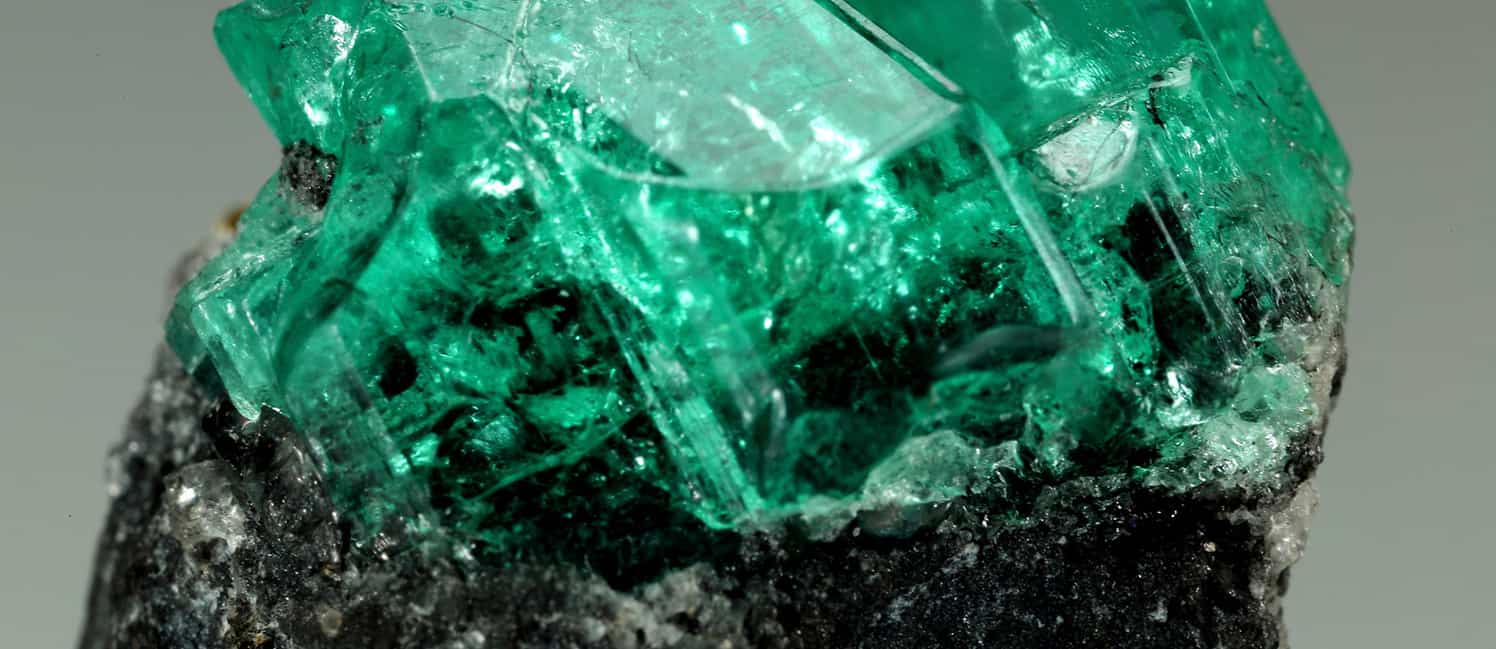
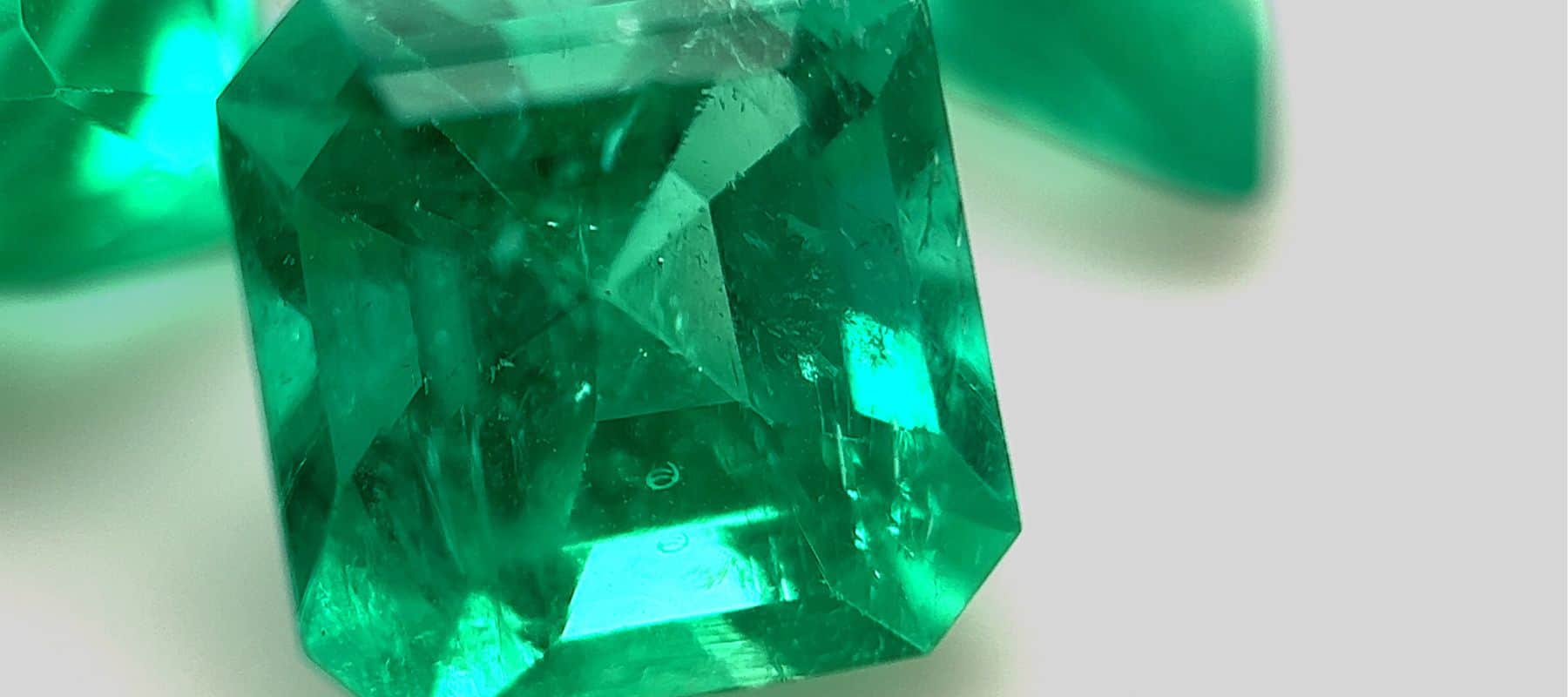
Colombian emeralds are like celebrities in the gemstone world – everyone knows and loves them! These stunning gems are famous for their top-notch quality, stunning colors, and absolute beauty.
People have been obsessed with Colombian emeralds for ages, from kings and queens to movie stars and gemstone fans. They’re mainly found in Colombia, South America, and their vibrant green color is the envy of all other emeralds out there.
In this friendly guide, we’ll delve into the world of treatments for emeralds, exploring how they impact the gemstone and offering tips on how to spot treated stones.
If you’re looking to acquire your own stunning Colombian emerald, feel free to contact us – we’d be happy to help you find the perfect gem!
Understanding Emerald Treatments
Emerald treatments refer to any process applied to enhance the visual appeal or durability of the gemstone. These treatments can range from simple methods such as cleaning and oiling to more complex procedures like fracture filling and dyeing. While some treatments are widely accepted within the gemstone industry, others are controversial due to their potential to deceive buyers.
most commun questions abpout the emerald treatments
Can emeralds be enhanced?
Yes, emeralds can be treated to improve their clarity and color. One common method is oiling, where a colorless oil is used. This practice is widely accepted in the emerald industry as long as it is disclosed to the buyer.
Do emeralds need to be oiled?
Oiling is one of the oldest and most common treatments for emeralds. It involves immersing the gemstone in a colorless oil or resin to fill surface-reaching fractures and enhance the stone’s clarity and emerald colour. This treatment is accepted within the industry and is considered standard practice for most emeralds.
When categorizing the amount of oiling enhancement in emeralds, the terms “no oil,” “insignificant,” “minor,” “moderate,” and “significant” are used to describe different levels of treatment. Here’s how you can assess these categories:
If you’re searching for a stunning Colombian emerald, don’t hesitate to contact us – we’re here to help you find the ideal gem!
No Oil
- Description: The emerald has not undergone any oiling treatment.
- Judging Criteria: The stone will show not visible surface-reaching fractures or inclusions without any noticeable improvement in clarity or transparency. The color may also appear vibrant.
- Appearance: The emerald will typically look very clear and may have not visible fissures.
Insignificant Oil
- Description: A minimal amount of oil has been used, and the enhancement is barely noticeable.
- Judging Criteria: Any improvements in clarity or color are very subtle. You might notice slight smoothing of fractures under magnification, but the improvement is so small that it may not be apparent to the naked eye.
- Appearance: The emerald might appear slightly clearer, but fractures are still visible. Color might seem a little more uniform, but the effect is minor.
Minor Oil (F1)
- Description: A small amount of oil has been applied to enhance the emerald’s appearance.
- Judging Criteria: There will be noticeable improvement in clarity, with some fractures being filled or diminished in appearance. The color may appear slightly more even, but the improvements are not dramatic.
- Appearance: The stone will have improved transparency and a more vibrant color, but fractures may still be visible under close inspection. It is a subtle enhancement that helps the stone look better without a dramatic effect.
Moderate Oil (F2)
- Description: A moderate amount of oil has been used, resulting in a noticeable improvement in clarity and color.
- Judging Criteria: The fractures are significantly reduced in visibility, and the emerald will appear much clearer. The color may be visibly richer, and the oiling may result in a more even distribution of color.
- Appearance: The emerald will have a noticeably improved appearance with smoother surfaces and reduced visibility of inclusions or cracks. It will look brighter and more vibrant, though some minor imperfections may still be visible upon very close inspection.
Significant Oil (F3)
- Description: A large amount of oil has been used to fill surface-reaching fractures, resulting in significant enhancement of both clarity and color.
- Judging Criteria: The emerald will show a marked improvement in clarity, with almost all visible surface-reaching fractures filled or hidden. The color will appear much richer and more even. However, over-oiling can sometimes cause the emerald to look “too perfect” or overly saturated.
- Appearance: The emerald will look almost flawless to the naked eye, with minimal visible inclusions or cracks. The color will be deep and uniform, and there will be little to no evidence of treatment, although under magnification, you may still see traces of the oil.
What oil do you use on emeralds?
Many different oils are used for emerald fractures, with colorless cedarwood oil being one example. This practice is considered acceptable within the industry, as it can help improve the appearance of the gemstone by filling in surface-reaching fractures and enhancing its overall clarity and color. Cedarwood oil is favored for its ability to penetrate the fractures effectively without leaving a residue or altering the emerald’s natural properties.
What is emerald heat treatment?
Emeralds are commonly treated with oil due to their sensitivity to high temperatures. Although several oils can be used, jewelers traditionally prefer natural cedar oil. This selection is optimal because, Palm Oil, natural cedarwood oil is both colorless and possesses the same refractive index as emeralds. Please feel free to reach out to us for emerald inspection and reoiling services.
What is fracture filling on emeralds?
Fracture filling, also known as clarity enhancement, is a treatment used to improve the appearance of emeralds with significant internal fractures or inclusions. In this process, a colorless filler, such as epoxy resin or polymer, is injected into the fractures to minimize their visibility and enhance transparency. While fracture filling can dramatically improve the appearance of emeralds, it is crucial to disclose this treatment to buyers, as it may affect the stone’s long-term stability.
What is dyed treated emerald?
Dyeing is a treatment commonly used to enhance the color of emeralds. This process involves immersing the gemstone in a colored solution to introduce or intensify certain hues, such as green or blue. While dyeing can produce strikingly vibrant colors, it is essential to disclose this treatment to ensure transparency and ethical trading practices.
What is a surface coating?
Surface coating is a treatment where a thin layer of colorless substance is applied to the surface of the emerald to enhance its luster and color. While surface coatings can temporarily improve the appearance of emeralds, they are not considered permanent enhancements and may wear off over time
Identifying Treated Colombian Emeralds
Identifying treated Colombian emeralds requires careful examination by a qualified gemologist or jeweller. Here are some methods commonly used to detect treatments:
Observation: Examine the emerald under magnification to look for any signs of treatment, such as filled fractures, color zoning, or uneven color distribution. Natural emeralds often exhibit a characteristic “jardin,” or garden of inclusions, which can help distinguish them from treated stones.
Transparency: Treated emeralds may display different levels of transparency compared to untreated stones. Look for any inconsistencies or unnatural clarity within the gemstone, which may indicate fracture filling or other enhancements.
Fluorescence: Some treated emeralds may exhibit unusual fluorescence under ultraviolet (UV) light. Compare the emerald’s fluorescence patterns to known untreated specimens to identify any discrepancies.
Documentation: Request a gemstone certificate or grading report from a reputable gemological laboratory. These documents often include information about any treatments or enhancements performed on the emerald, providing valuable insight into its authenticity and quality.
Ethical Considerations
When purchasing Colombian emeralds, it is essential to consider the ethical implications of treatments and their impact on the gemstone industry. Ensure that sellers disclose any treatments or enhancements performed on the emerald.
In conclusion, Colombian emeralds are among the most coveted gemstones globally, prized for their exceptional beauty and rarity.
Treatments are commonly used to enhance the appearance of these gemstones, it is crucial to understand their effects and identify them accurately to make informed purchasing decisions.
By following the guidelines outlined in this guide and consulting with knowledgeable professionals, you can enjoy the enduring class of Colombian emeralds ethically and responsible.
Ready to add a Colombian emerald to your collection? Contact us now, and we’ll help you find the perfect stone!
want to know How Much are Emerald
Worth and tODAY PRICES?
(Click here to read about emerald prices)
Questions related to this page
- How can I visually differentiate between an emerald with no oil and one with significant oil enhancement?
- What are the risks associated with over-oiling an emerald?
- How does the oiling treatment affect the emerald’s value?
- Is there a way to remove the oil from an emerald if it needs to be re-treated?
- How long does the oiling treatment typically last in an emerald?
- Can oiling impact the durability of the emerald in the long term?
- What kind of oil is typically used in the oiling process for emeralds?
- Are there any alternative treatments for improving an emerald’s clarity besides oiling?
- How do gemologists determine the exact amount of oil used in emerald treatment?
- Do emeralds with no oil treatment tend to have higher market value?